Hoi An is a destination where food, traditional crafts and local culture are closely connected. While Vietnamese cuisine is often one of the first things travelers discover, the city’s cultural identity can also be experienced through its traditional villages, agricultural communities and handmade crafts.
One of the most recognizable symbols of Hoi An is the colorful silk lantern. These lanterns can be seen throughout the Ancient Town, particularly in the evening when the streets become illuminated with different shapes and colors.
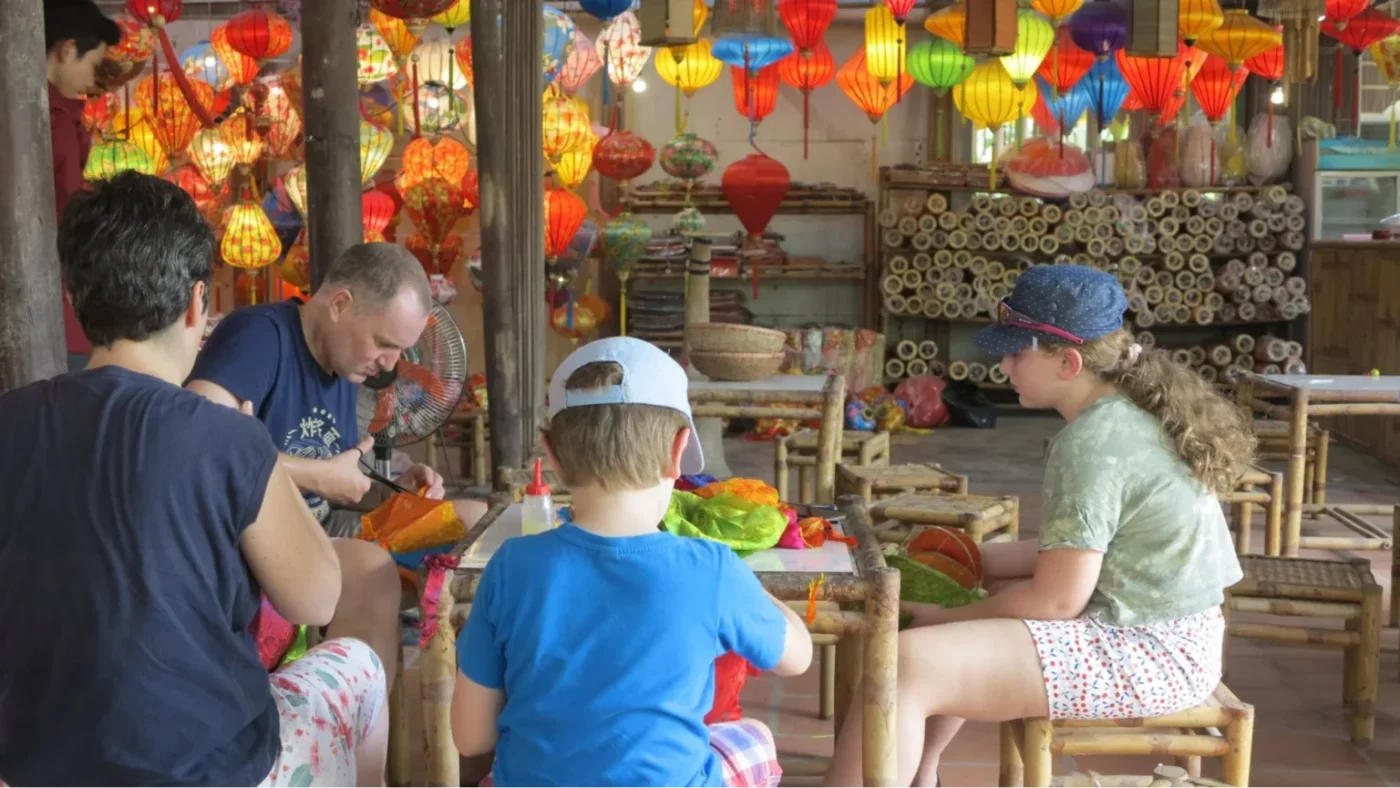
For travelers interested in Vietnamese culture, learning how these lanterns are made can be a more interactive experience than simply seeing them displayed in shops. A lantern-making activity can also be combined with a visit to the countryside, traditional farming and cycling, creating an opportunity to experience several sides of Hoi An in one journey.
The Cultural Meaning Behind Hoi An Lanterns
Lanterns have become an important part of the visual identity of Hoi An. Their colorful silk surfaces and traditional shapes contribute to the atmosphere of the city’s historic streets.
However, behind every lantern is a combination of materials and craftsmanship. Bamboo frames need to be carefully prepared, while silk fabric must be stretched over the frame to create a smooth and balanced surface.
The process requires patience and precision. For visitors, making a lantern provides an opportunity to understand the craftsmanship behind an object that is often associated with Hoi An’s cultural landscape.
Different colors and shapes can also carry cultural meanings. Red, yellow and other bright colors are commonly used in traditional decorations and are often associated with ideas such as happiness, prosperity and good fortune.

Exploring Tra Que Vegetable Village
A lantern-making experience can become even more interesting when combined with a visit to the countryside.
Tra Que Vegetable Village is one of the well-known agricultural areas around Hoi An. The village is associated with vegetable and herb cultivation, making it particularly relevant for travelers interested in Vietnamese food.
Fresh herbs are an important part of Vietnamese cuisine. Ingredients such as basil, mint, coriander and other aromatic greens are commonly served alongside noodles, rice dishes, pancakes and fresh rolls.
View more:
https://hoianuniquetravel.com/tra-que-vegetable-village/
Visiting an agricultural village provides a different perspective on these ingredients. Instead of only seeing herbs on a dining table, travelers can observe how they are grown and learn about traditional farming practices.
This connection between agriculture and cuisine is one of the reasons why Tra Que can be an interesting destination for food lovers.
From Farming to Cycling Through the Countryside
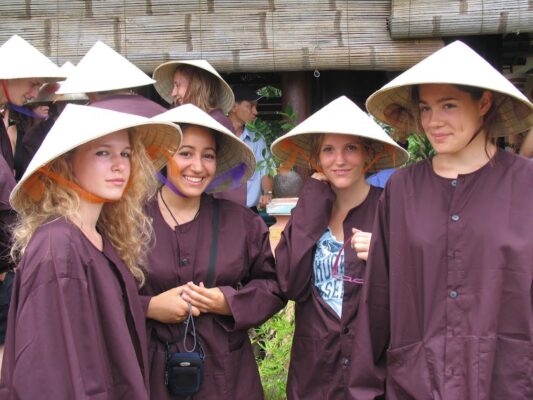
A countryside experience around Hoi An can also include cycling through rice fields, vegetable gardens and smaller village roads.
Cycling provides a slower way to explore the landscape compared with traveling by car. The route can pass through peaceful rural areas where visitors can observe local homes, gardens and agricultural activities.
The relatively flat terrain around Hoi An makes countryside cycling suitable for a relaxed experience. Travelers can enjoy the scenery while moving between different cultural and agricultural sites.
For those interested in exploring the wider countryside by bicycle, more information about local cycling routes can be found here:
https://hoianuniquetravel.com/hoi-an-cycling-route/
Cycling also creates a natural transition between the agricultural environment and the traditional craft experience that follows.
How Hoi An Lanterns Are Made
The lantern-making process is relatively simple in concept but requires careful attention to detail.
Traditional lanterns generally consist of a bamboo frame covered with silk or another suitable fabric. The frame provides the structure, while the fabric creates the colorful outer surface.
A hands-on workshop allows visitors to experience the process themselves.
Step 1: Choose a Lantern Shape
Participants can begin by selecting a bamboo frame. Different shapes can create different visual effects when the lantern is finished.
Common designs include rounded, diamond and elongated forms.
The choice of shape is one of the first opportunities for visitors to personalize their lantern.
Step 2: Select the Silk Fabric
The next step is choosing a fabric pattern and color.
Traditional Vietnamese silk is available in a wide variety of colors and patterns, allowing each participant to create a slightly different lantern.
For travelers who enjoy crafts, this stage can be one of the most enjoyable because the choice of fabric determines much of the final appearance.
Step 3: Apply the Adhesive
Glue is carefully applied to the bamboo frame.
This step requires some patience because too much adhesive can make the fabric difficult to work with, while too little may prevent it from attaching properly.
Local artisans can demonstrate the correct technique before participants begin.
Step 4: Stretch the Silk
The silk fabric is then carefully stretched over the bamboo frame.
This is one of the most important stages because the fabric needs to remain smooth and relatively wrinkle-free.
The curved structure of the frame can make this step slightly challenging for beginners, but guidance from an experienced artisan makes the process accessible to visitors.
Step 5: Trim and Decorate
Once the silk has been attached, excess material can be trimmed.
A decorative tassel or other finishing element can then be added to complete the lantern.
The finished lantern can also be folded down, making it easier to transport home as a souvenir.
A Hoi An Lantern Making Experience
Travelers interested in experiencing the craft firsthand can consider the Hoi An Lantern Making Tour, which combines a countryside visit, cycling and a hands-on traditional lantern workshop.
The itinerary begins with a journey toward the agricultural landscape around Tra Que before continuing by bicycle through the countryside.
The cultural portion of the experience then focuses on traditional lantern craftsmanship. Participants can select their materials and learn how to create a lantern under the guidance of local artisans.
View more:
https://hoianuniquetravel.com/tour/hoi-an-lantern-making/
The combination of outdoor activities and handicraft makes this different from a standard workshop held entirely indoors. Travelers have an opportunity to see the rural landscape first and then explore one of Hoi An’s best-known traditional crafts.
Why Combine Food, Farming and Traditional Crafts?
At first, Vietnamese cooking and lantern making may appear to have little connection. However, both are closely associated with local culture and traditional communities.
A visit to Tra Que introduces travelers to the agricultural side of Hoi An. Fresh herbs and vegetables grown in the area are commonly used in Vietnamese meals.
A lantern workshop introduces another part of local culture through handmade craftsmanship.
Together, these experiences demonstrate that Hoi An’s identity is not based on a single attraction. Food, agriculture, traditional crafts and historic architecture all contribute to the character of the destination.
For travelers interested in Vietnamese cuisine, this broader perspective can make a trip more meaningful.
Lantern Making in Hoi An Ancient Town
The finished lantern is strongly associated with the historic center of Hoi An.
During an evening walk, visitors can see lanterns displayed along traditional streets, old houses and riverside areas. The combination of historic architecture and colorful lights is one of the reasons Hoi An has become particularly recognizable among travelers.
View more:
https://hoianuniquetravel.com/hoi-an-ancient-town/
Learning how the lantern is created before seeing hundreds of them displayed throughout the city can add another dimension to the experience.
Instead of viewing the lantern simply as decoration, travelers can appreciate the craftsmanship and time involved in producing it.
Traditional Craftsmanship and Local Communities
Hoi An is surrounded by communities that have preserved different forms of traditional craftsmanship.
Pottery, woodworking, silk production and lantern making all represent different aspects of the region’s cultural heritage.
These crafts are particularly interesting because they are based on practical skills that have been developed and passed down through generations.
For travelers who enjoy cultural tourism, visiting traditional craft villages can therefore be a useful complement to food-focused experiences.
Food itself is also part of this broader cultural system. Traditional dishes, agricultural techniques, handicrafts and local architecture all reflect the history and lifestyle of the communities around Hoi An.
What Travelers Can Expect from a Lantern Workshop
A typical lantern-making experience can take around one to one and a half hours for the actual crafting activity.
Participants generally have the opportunity to:
- Choose a lantern frame
- Select silk fabric and colors
- Learn how to apply adhesive
- Stretch fabric over the bamboo frame
- Trim excess material
- Add decorative elements
- Fold the finished lantern for transportation
The activity is suitable for beginners and does not require previous crafting experience.
Children can also participate with assistance from the artisans, making the activity suitable for families looking for a hands-on cultural experience.
Tips for a Lantern Making Experience
Travelers planning to combine farming, cycling and lantern making should prepare for outdoor conditions.
Comfortable clothing is recommended because part of the itinerary takes place in the countryside. Sunscreen, sunglasses and comfortable shoes can also make the experience more enjoyable.
For visitors interested in photography, the countryside, vegetable gardens and lantern workshop provide plenty of opportunities to capture different aspects of Hoi An.
If the finished lantern is intended to be taken home, it is useful to keep some space in the luggage. Foldable lantern designs make transportation easier.
Other Cultural Experiences Around Hoi An
Lantern making is only one way to explore the cultural heritage of Hoi An.
The region is also known for traditional handicrafts and village-based experiences. Travelers interested in handmade products can explore different craft communities and learn about the techniques used by local artisans.
For example, traditional handicraft tours can combine village visits with boat trips and opportunities to learn more about local production.
View more:
https://hoianuniquetravel.com/tour/hoi-an-handicraft-tours/
Other cultural activities can also be connected with Hoi An’s food traditions. Exploring a village in the morning and enjoying local dishes afterward allows travelers to experience both the cultural and culinary sides of the destination.
A Handmade Souvenir from Hoi An
One advantage of making a lantern rather than simply buying one is the personal connection with the finished product.
Every participant chooses their own shape, fabric and colors. The final lantern therefore becomes more than a souvenir purchased from a shop.
It represents the time spent learning a traditional craft and experiencing a different side of Hoi An.
For visitors who enjoy handmade products, cooking, local culture and creative activities, a lantern workshop can be a memorable addition to a Hoi An itinerary.
A Different Way to Experience Hoi An
Hoi An is often introduced through its food and historic architecture, but the city has a much broader cultural identity.
The agricultural landscapes around Tra Que demonstrate the importance of farming and fresh ingredients. The countryside roads offer opportunities for cycling and exploring rural communities. Traditional lantern workshops provide an introduction to local craftsmanship.
Combining these experiences creates a more complete picture of the destination.
For travelers interested in Vietnamese food and culture, visiting a vegetable village before learning a traditional craft can be particularly rewarding. It connects the everyday ingredients found in local cuisine with the people, landscapes and traditions that make Hoi An unique.
A Hoi An lantern-making experience offered by Hoi An Unique Travel provides one option for travelers who want to combine countryside exploration, cycling and traditional craftsmanship in a single itinerary.
The experience can be especially suitable for families, couples, food lovers and travelers who prefer interactive cultural activities over simply visiting attractions.
View more:
https://hoianuniquetravel.com/